Before putting the chain hoist into use, there is a very important trial lifting process, which is mainly divided into no-load trial lifting and load trial lifting. The detection purposes of the two types of trial lifting are not the same. Let's take you to a brief understanding.
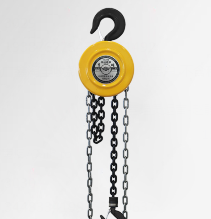
Empty trial lifting means that the lifting chain does not suspend heavy objects. Pull the bracelet to ensure smooth operation of the zipper and lifting chain, and there are no abnormal phenomena such as chain jamming or noise during the pulling process. This can basically ensure the normal operation of the transmission device of the chain hoist.
Then, a load test lift is carried out, and the weight of the load does not need to be too heavy. The main test of the load test lift is to check whether the braking device of the chain hoist is operating normally. When the chain is pulled down under the load state and stopped, the braking device can complete reverse self-locking under the load, thereby ensuring that the load is suspended in mid air and will not fall. This state is the normal operating state of the chain hoist braking device.
The chain hoist will only be put into use after the trial lifting process to ensure the normal operation of the transmission and braking devices, which is the key to ensuring the safe and smooth operation of the chain hoist.

